

Nordic walking increases circulating VEGF more than traditional walking training in postmenopause
29 Mar 2025
Nordic walking (NW) is widely practiced by postmenopausal women. Its effects are peculiar owing to the involvement of more muscle groups than in traditional walking training (WT). Since mechanical load promotes secretion of vascular endothelial growth factor (VEGF) from both skeletal muscle and muscle endothelium, the aim of the study was to compare the effect of NW and WT on VEGF levels.
Thirty postmenopausal women were randomly assigned to NW or WT. Both groups trained 40–50 min/day, three times per week, at a mean intensity of 12 on a 15-category scale of the ratings of perceived exertion. Since VEGF is also released from adipocytes, anthropometric parameters were assessed.
These data imply that NW increases the level of circulating VEGF more than does traditional walking when the intensity of training is equivalent.
Thirty postmenopausal women were randomly assigned to NW or WT. Both groups trained 40–50 min/day, three times per week, at a mean intensity of 12 on a 15-category scale of the ratings of perceived exertion. Since VEGF is also released from adipocytes, anthropometric parameters were assessed.
These data imply that NW increases the level of circulating VEGF more than does traditional walking when the intensity of training is equivalent.

You may be interested in them
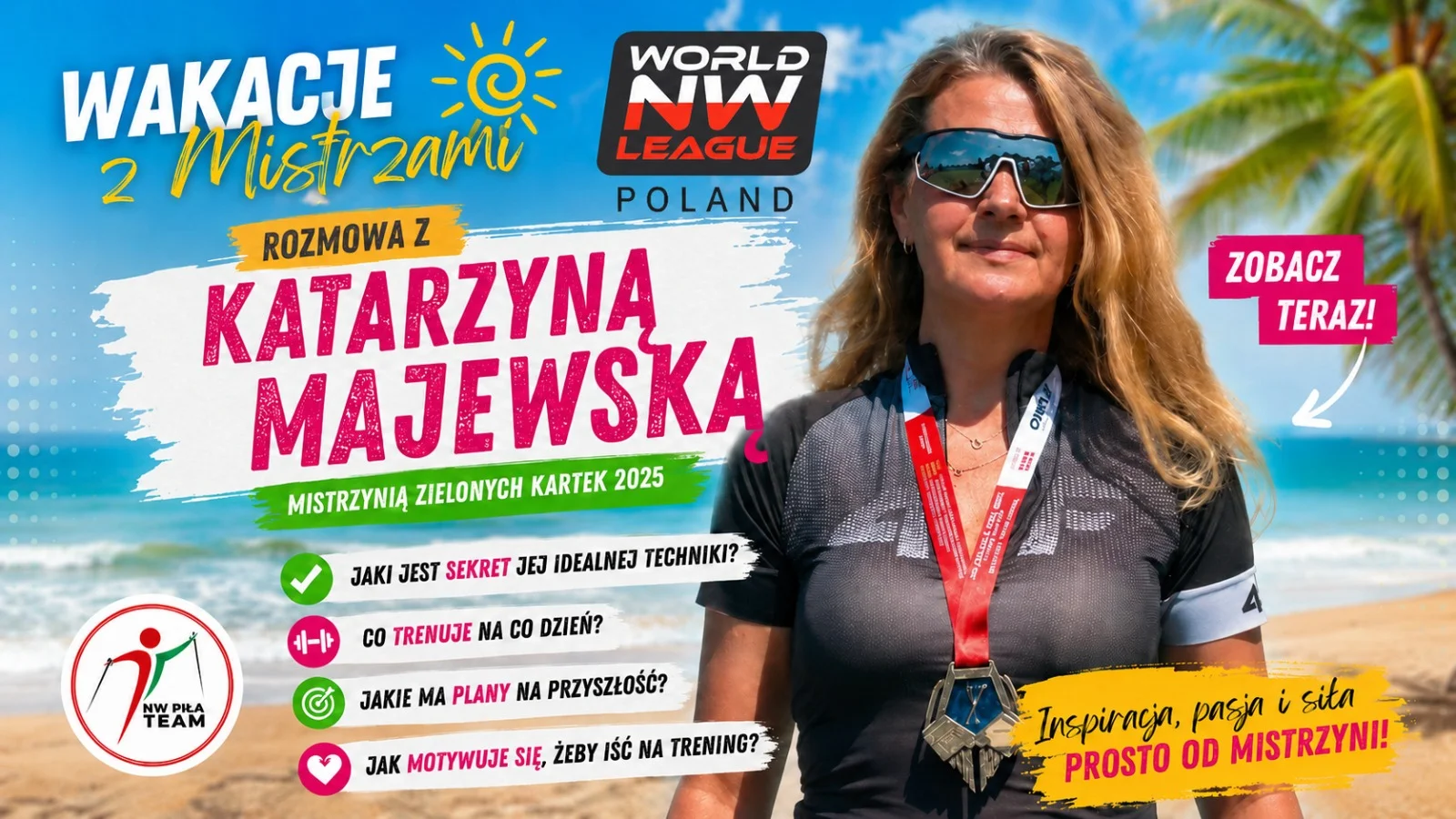
6 Jul 2026
What does the path to perfect technique look like? Interview with Champion Katarzyna Majewska
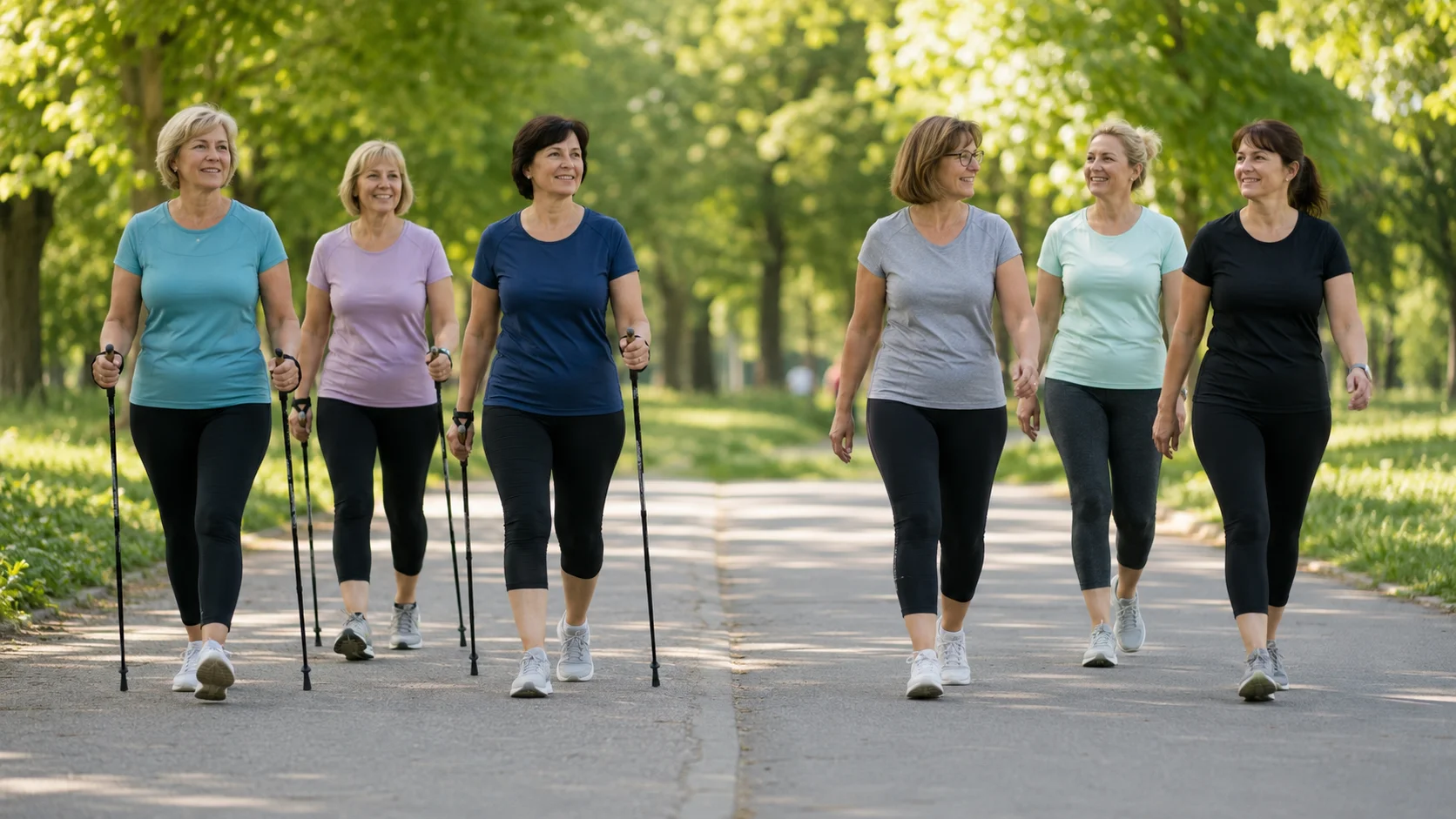
1 Jul 2026
Self-guided brisk walking training with or without poles: A randomized-controlled trial in middle-aged women
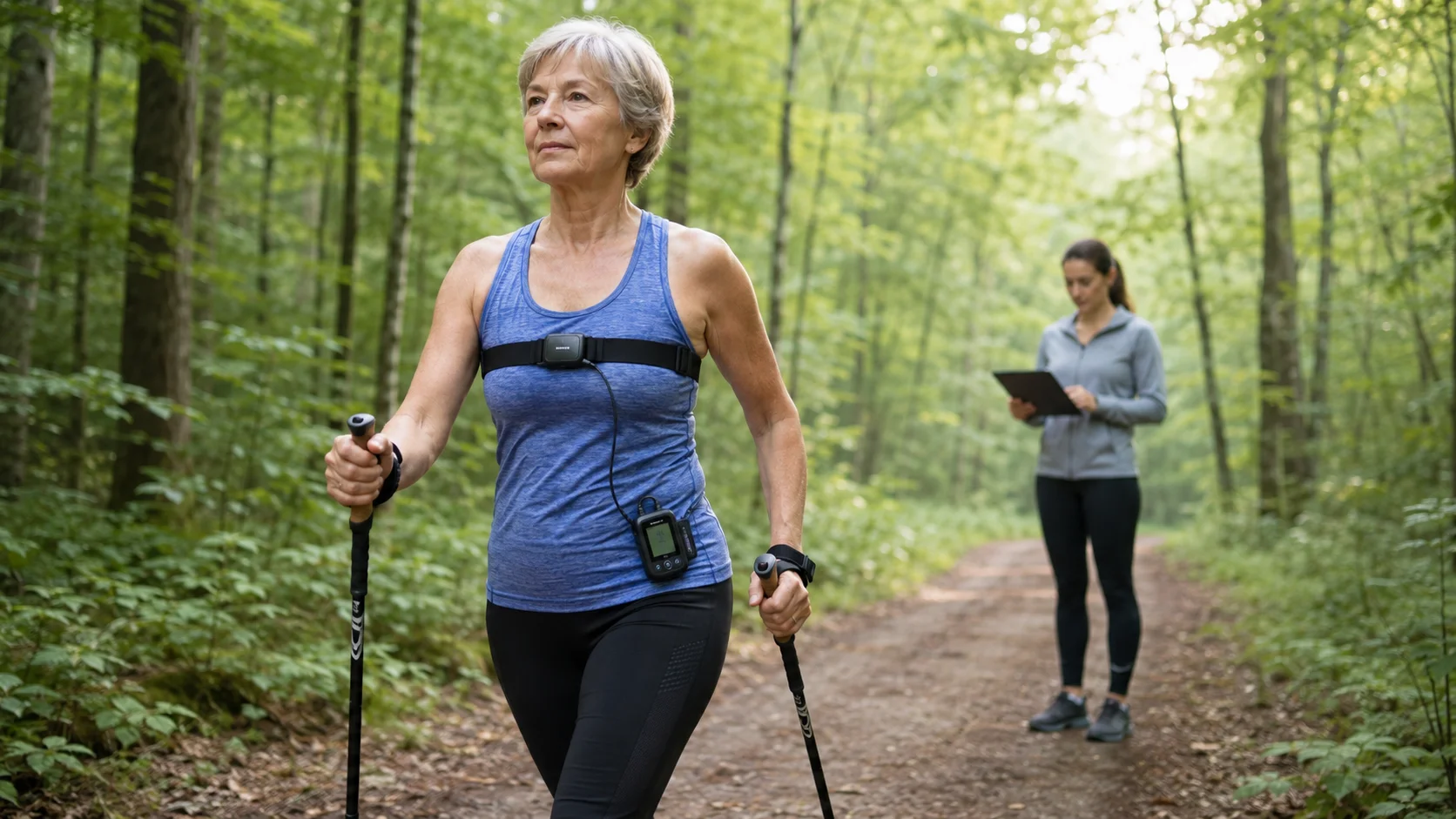
1 Jul 2026
Field testing of physiological responses associated with Nordic Walking

World Original Nordic Walking Federation
Administration office:
JĘDRZYCHOWSKA 20D
65-385 ZIELONA GÓRA, POLAND
office@onwf.org


© 2024 onwf.org | Original Nordic Walking from Finland