

Nordic Walking in Patients with Peripheral Artery Disease
5 Apr 2025
The purpose of this study was to compare the effects of a 24-week walking with poles rehabilitation program with a traditional 24-week walking program on physical function in patients with peripheral arterial disease (PAD).
Patients with PAD (age = 69.7±8.9 years, ankle-brachial index <0.90 or evidence of calcified vessels) were randomized into a rehabilitation program of traditional walking or walking with poles. Patients exercised 3 times per week for 24 weeks. Exercise endurance was measured by time walked on a constant workrate treadmill test at 6, 12, and 24 weeks. Perceived physical function was measured by the SF-36 and Walking Impairment Questionnaire. Tissue oxygenation was measured using near-infrared spectroscopy.
Traditional walking was superior to walking with poles in increasing walking endurance on a constant workrate treadmill test for patients with peripheral arterial disease.
Patients with PAD (age = 69.7±8.9 years, ankle-brachial index <0.90 or evidence of calcified vessels) were randomized into a rehabilitation program of traditional walking or walking with poles. Patients exercised 3 times per week for 24 weeks. Exercise endurance was measured by time walked on a constant workrate treadmill test at 6, 12, and 24 weeks. Perceived physical function was measured by the SF-36 and Walking Impairment Questionnaire. Tissue oxygenation was measured using near-infrared spectroscopy.
Traditional walking was superior to walking with poles in increasing walking endurance on a constant workrate treadmill test for patients with peripheral arterial disease.

You may be interested in them
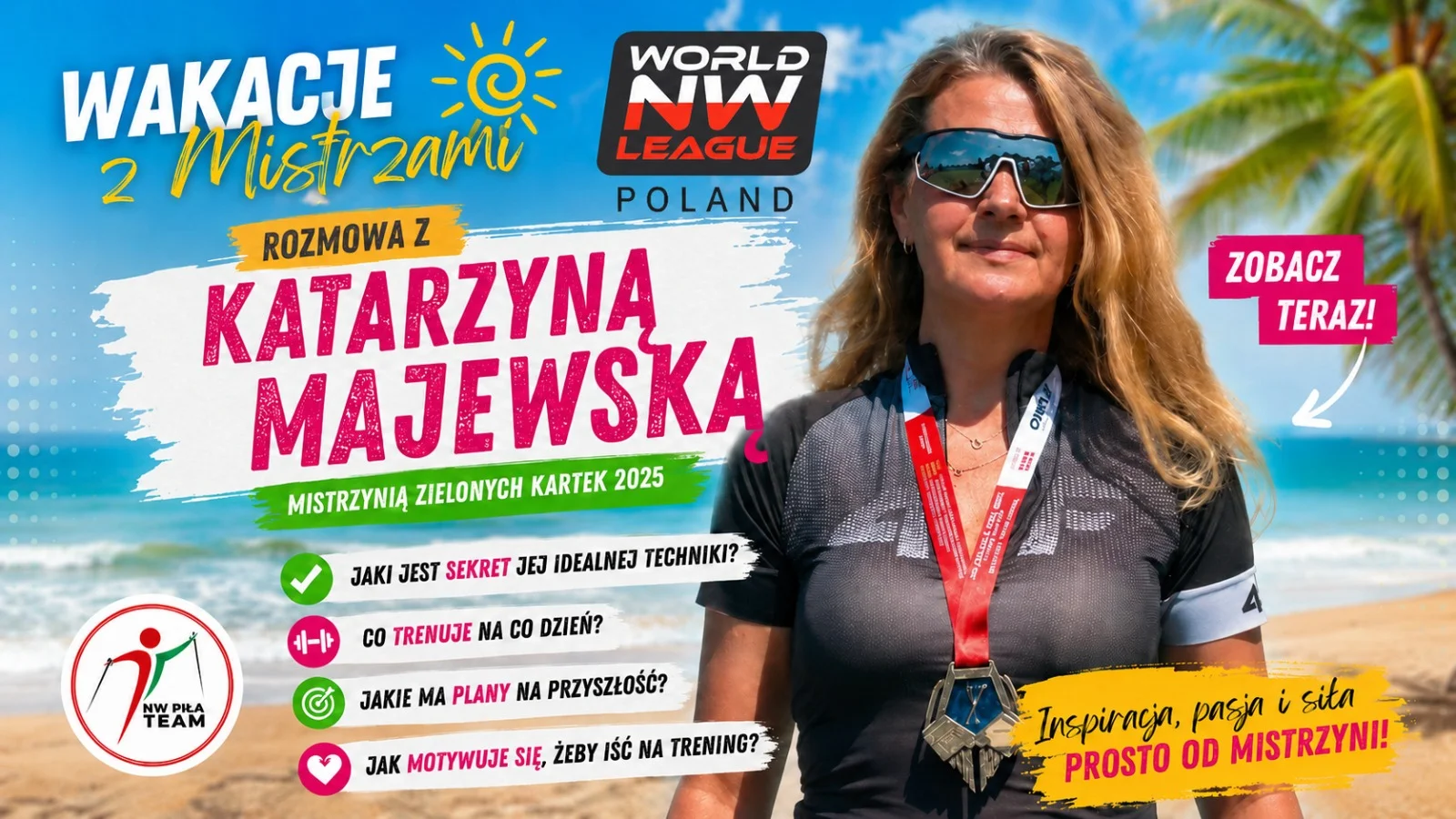
6 Jul 2026
What does the path to perfect technique look like? Interview with Champion Katarzyna Majewska
1 Jul 2026
Self-guided brisk walking training with or without poles: A randomized-controlled trial in middle-aged women
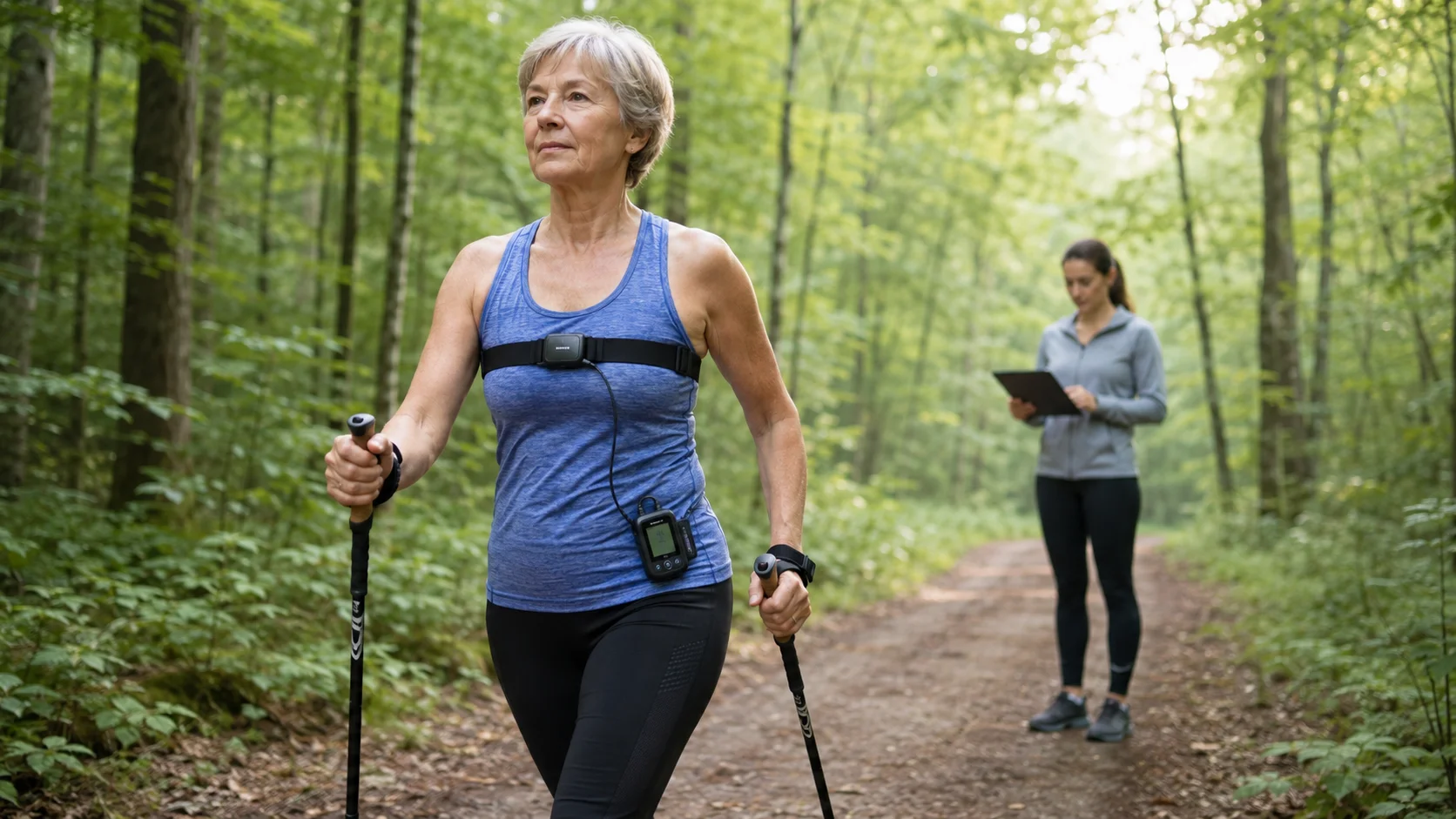
1 Jul 2026
Field testing of physiological responses associated with Nordic Walking

World Original Nordic Walking Federation
Administration office:
JĘDRZYCHOWSKA 20D
65-385 ZIELONA GÓRA, POLAND
office@onwf.org


© 2024 onwf.org | Original Nordic Walking from Finland