

A Review of Biomechanical and Physiological Effects of Using Poles in Sports
5 Apr 2025
This systematic review explores the biomechanical and physiological impact of using poles in sports like Nordic walking, trail running, and cross-country skiing. Findings from 31 studies involving 430 participants indicate that poles reduce ground reaction forces, plantar pressure, and lower limb joint stress while increasing upper body muscle activation and energy expenditure (VO2). Despite higher heart rate and oxygen consumption, perceived exertion remains unchanged. Proper pole length enhances efficiency, while pole mass has minimal physiological impact. The review also highlights improved balance, trunk muscle coordination, and reduced muscle damage with pole use, positioning poles as a beneficial tool in both recreational and performance-oriented physical activities.

You may be interested in them

6 Jul 2026
What does the path to perfect technique look like? Interview with Champion Katarzyna Majewska
1 Jul 2026
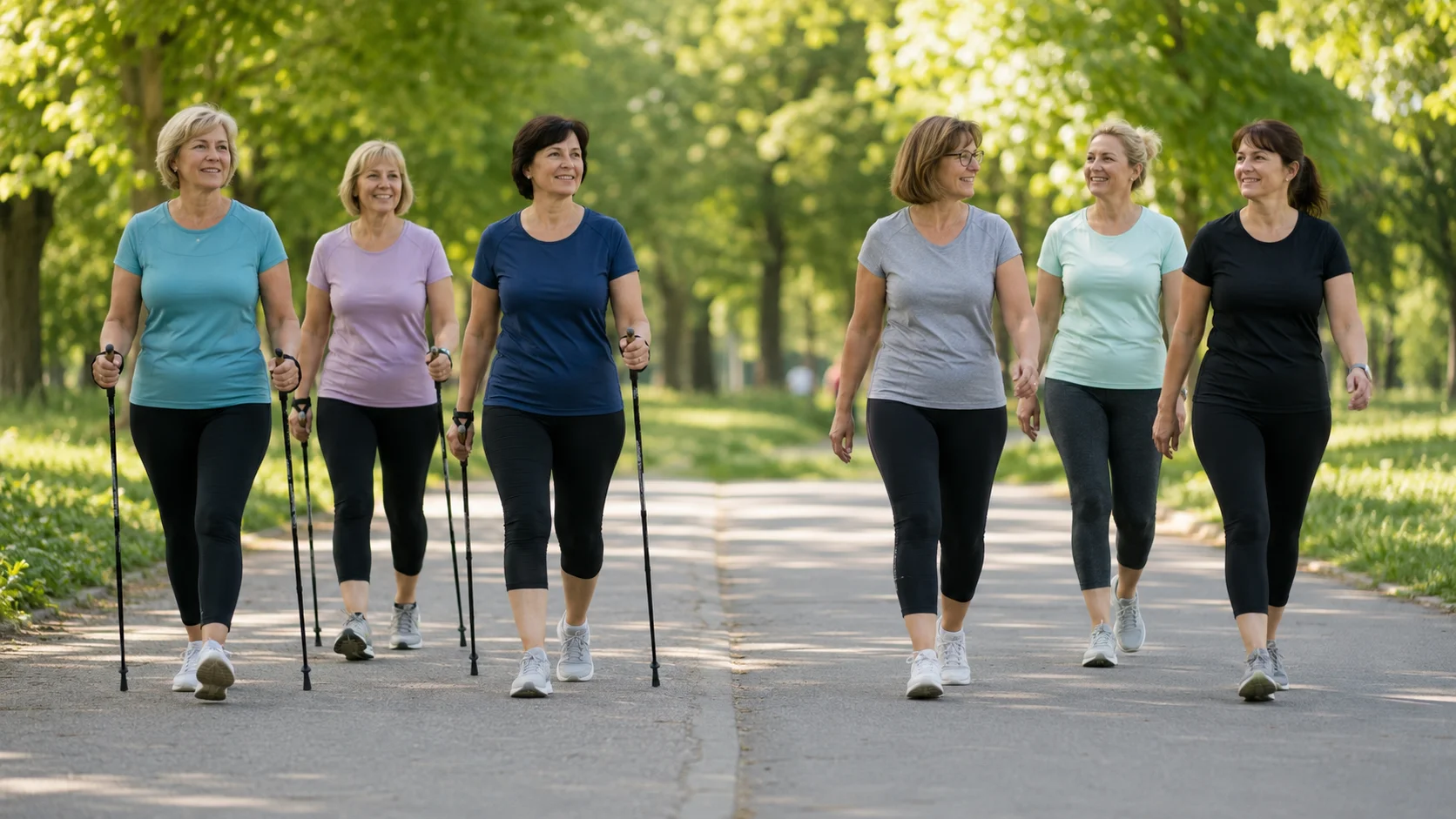
Self-guided brisk walking training with or without poles: A randomized-controlled trial in middle-aged women
1 Jul 2026
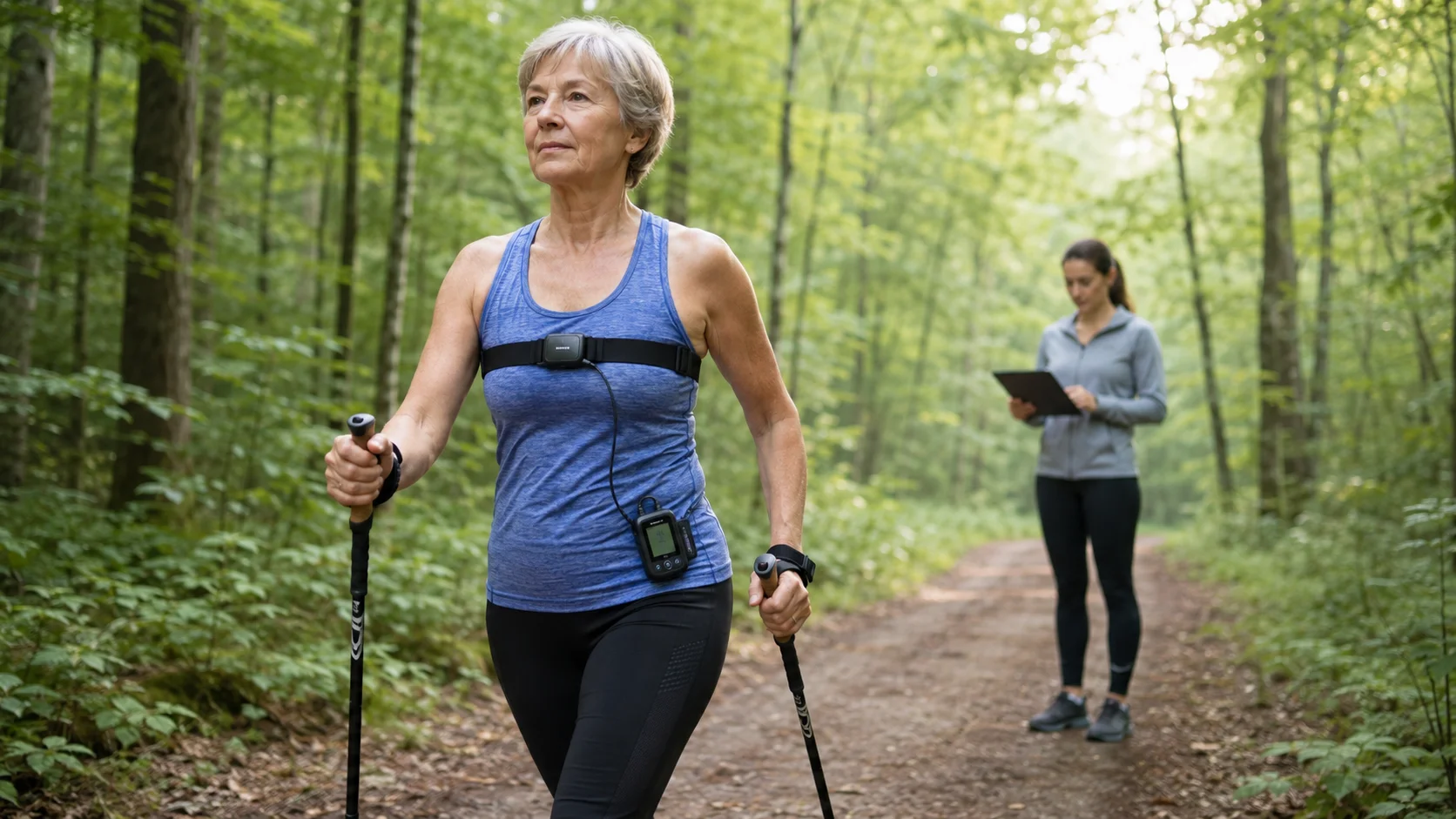
Field testing of physiological responses associated with Nordic Walking

World Original Nordic Walking Federation
Administration office:
JĘDRZYCHOWSKA 20D
65-385 ZIELONA GÓRA, POLAND
office@onwf.org


© 2024 onwf.org | Original Nordic Walking from Finland