
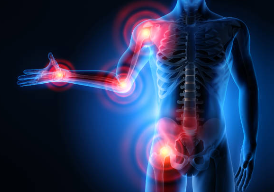
Nordic walking influence on biomechanical parameters: a systematic review
5 Apr 2025
This systematic review assessed 42 studies (2008–2018) on the biomechanical impact of Nordic Walking (NW), focusing on walking speed, stride length, cadence, kinematics, ground reaction forces, and muscle activation. The findings demonstrated that NW significantly increases walking distance (+14.8%), walking speed (+25.5%), and stride length (+10.4%), while slightly reducing cadence. NW also improves upper limb muscle strength and activation, and increases range of motion in both upper and lower limbs. These effects were observed in both healthy individuals and clinical populations such as those with Parkinson’s disease, cardiovascular disease, and osteoarthritis. The authors suggest NW as an effective tool for physical rehabilitation and aging populations, though they call for higher-quality studies to further validate its benefits.

You may be interested in them

6 Jul 2026
What does the path to perfect technique look like? Interview with Champion Katarzyna Majewska
1 Jul 2026
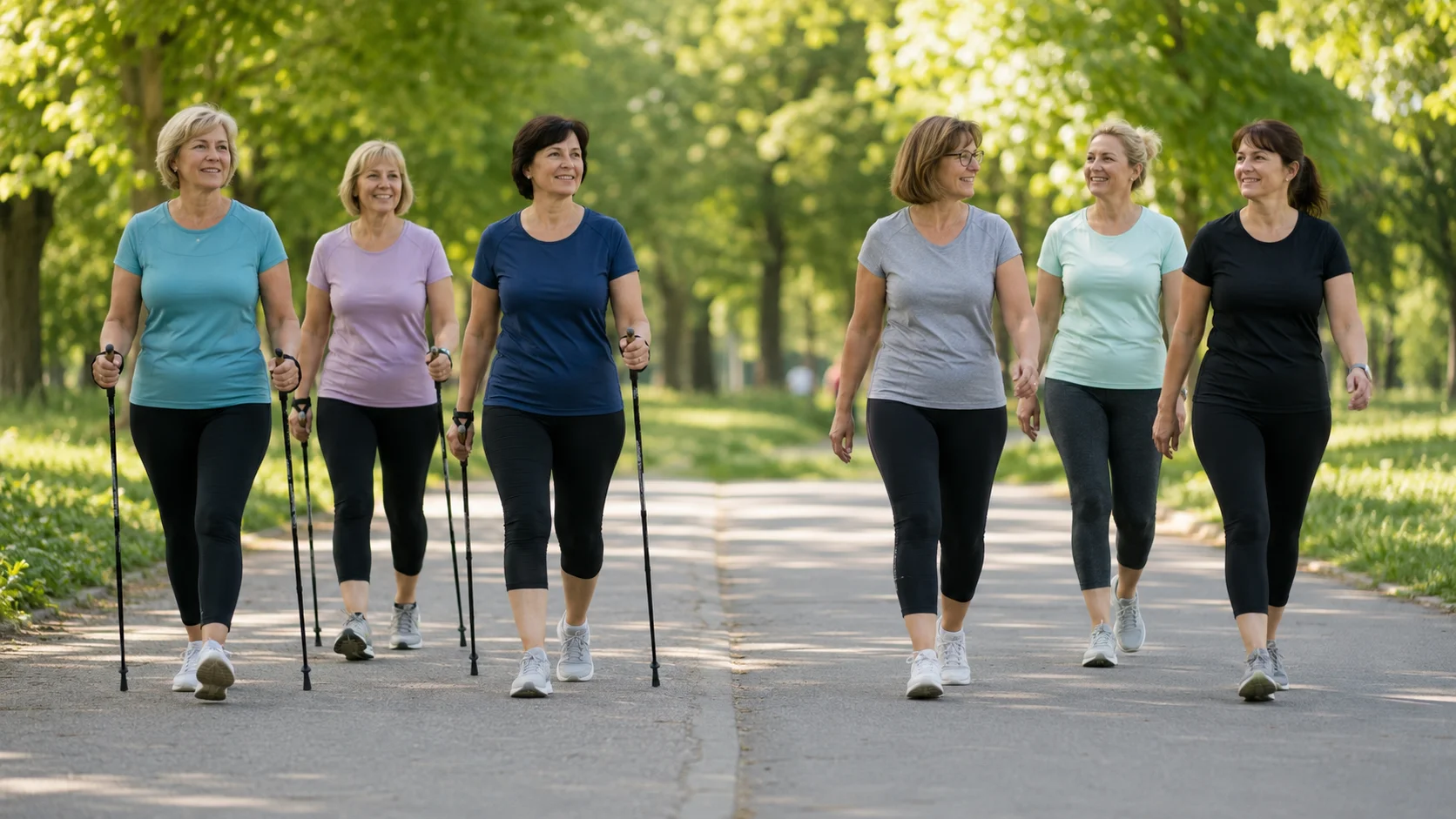
Self-guided brisk walking training with or without poles: A randomized-controlled trial in middle-aged women
1 Jul 2026
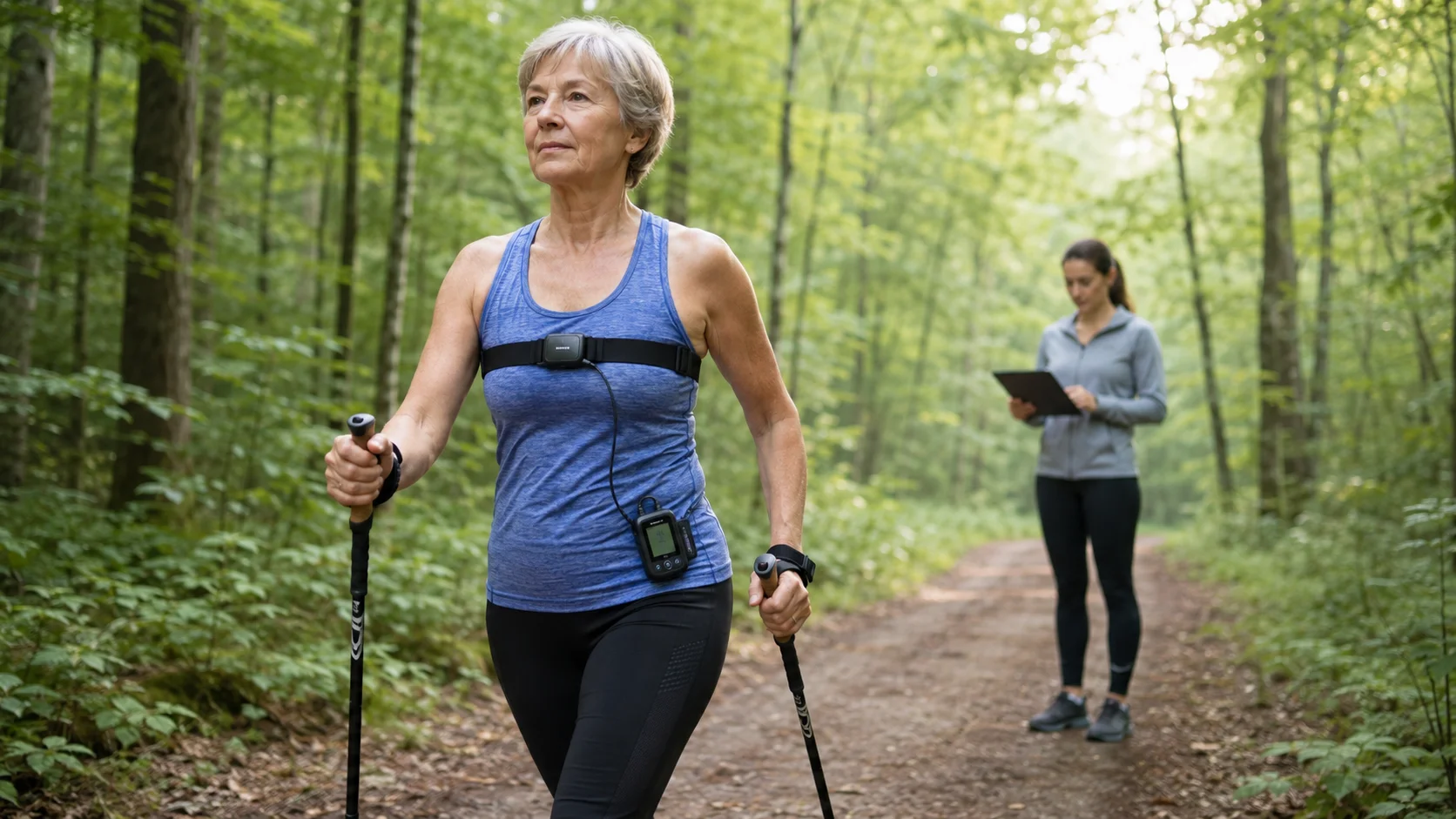
Field testing of physiological responses associated with Nordic Walking

World Original Nordic Walking Federation
Administration office:
JĘDRZYCHOWSKA 20D
65-385 ZIELONA GÓRA, POLAND
office@onwf.org


© 2024 onwf.org | Original Nordic Walking from Finland